 Italiano
  English (UK)
the Architect of the Modern Gaze
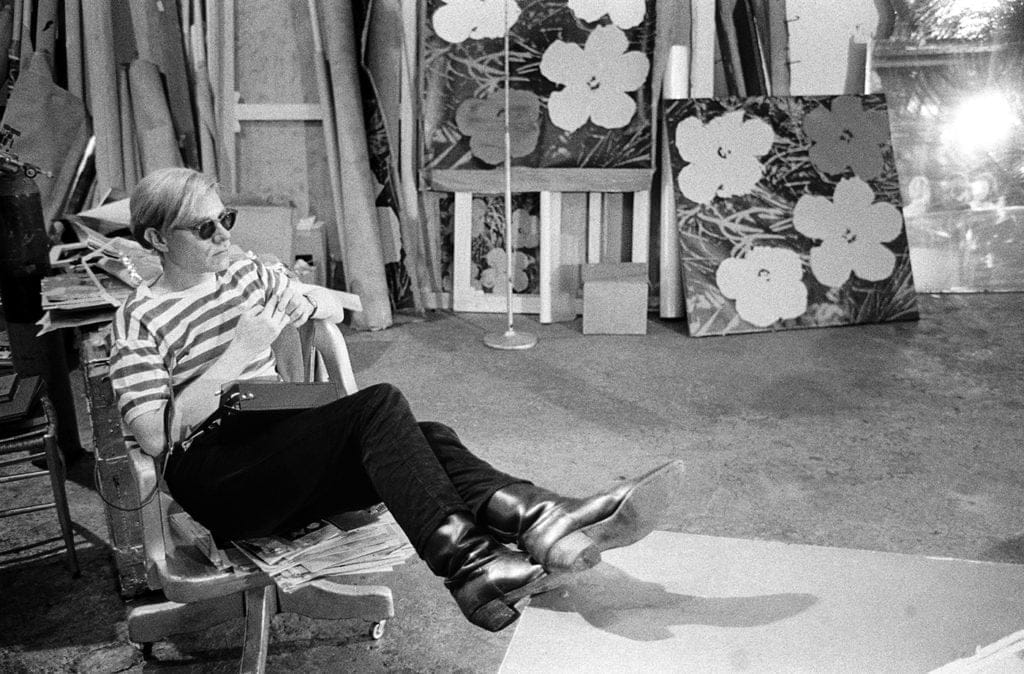
In the pantheon of 20th-century art, few figures command as much intrigue and enduring fascination as Andy Warhol. Born Andrew Warhola in 1928 in Pittsburgh to Rusyn immigrant parents, Warhol’s journey from a commercial illustrator to a luminary of the Pop Art movement is a testament to his visionary approach to art and culture.
Warhol’s oeuvre is a kaleidoscope of consumerism, celebrity, and the quotidian. His iconic works, Campbell’s Soup Cans, Marilyn Diptych, Flowers and Brillo Boxes, transcend mere replication, offering a mirror to the mass-produced reality of post-war America. Through his innovative use of silkscreen printing, Warhol blurred the lines between high art and popular culture, challenging the very definitions of artistic value and originality.
Central to Warhol’s creative universe was The Factory, his New York studio that became a crucible for avant-garde experimentation. Here, he cultivated a milieu of artists, musicians, and socialites—collectively known as the “Warhol Superstars”, who embodied the zeitgeist of the 1960s. Figures like Edie Sedgwick and Candy Darling not only inspired Warhol’s art but also became emblematic of the era’s complex interplay between fame and identity.
Warhol’s foray into filmmaking further exemplified his boundary-pushing ethos. Films such as Chelsea Girls (1966) and Blue Movie (1969) eschewed conventional narratives, instead offering raw, unfiltered glimpses into human behavior and sexuality. These works, often characterized by their length and improvisational style, challenged audiences to reconsider the nature of cinema itself.
Beyond his artistic endeavors, Warhol was a keen observer of society’s evolving dynamics. His quip, “In the future, everyone will be world-famous for 15 minutes,” presciently anticipated the rise of celebrity culture and the democratization of fame. His writings, including The Philosophy of Andy Warhol, offer further insights into his contemplations on art, commerce, and human nature.
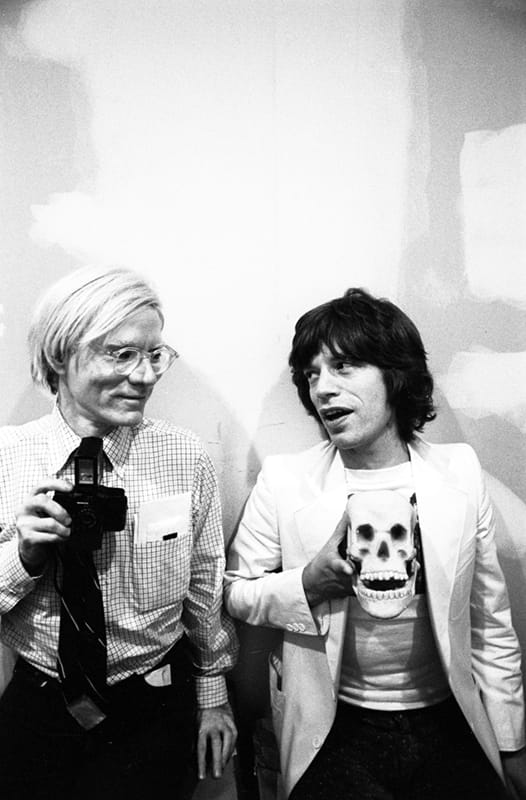
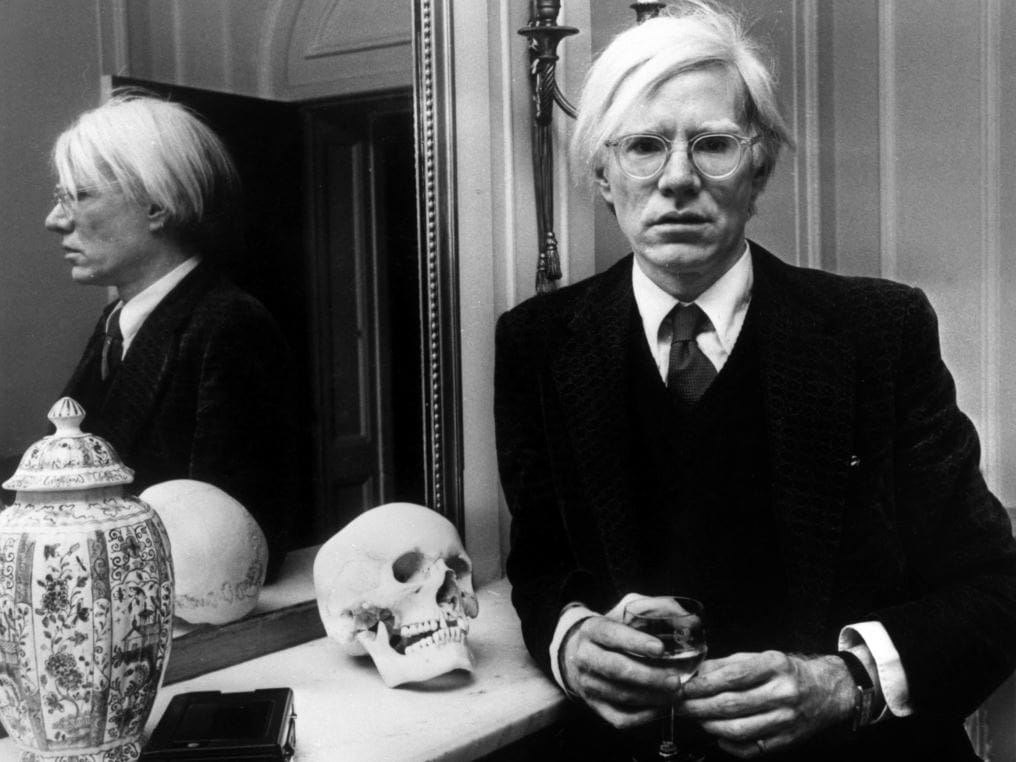
“Art is what you can get away with.”
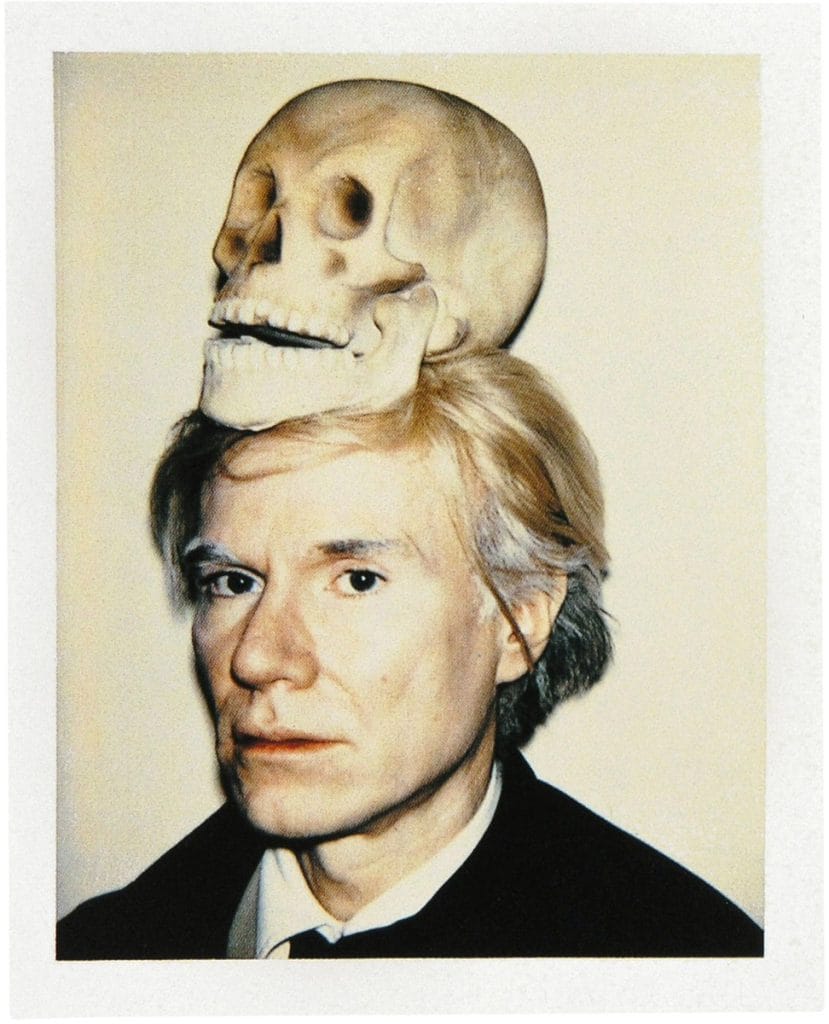
Andy Warhol & Screen Printing: Industrial Beauty
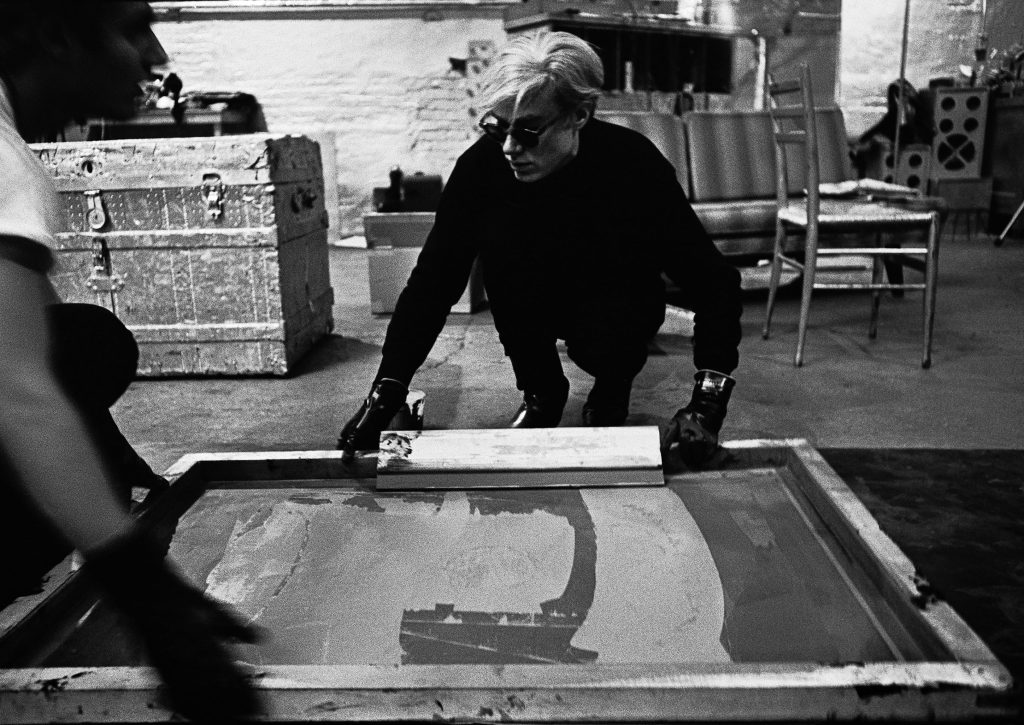
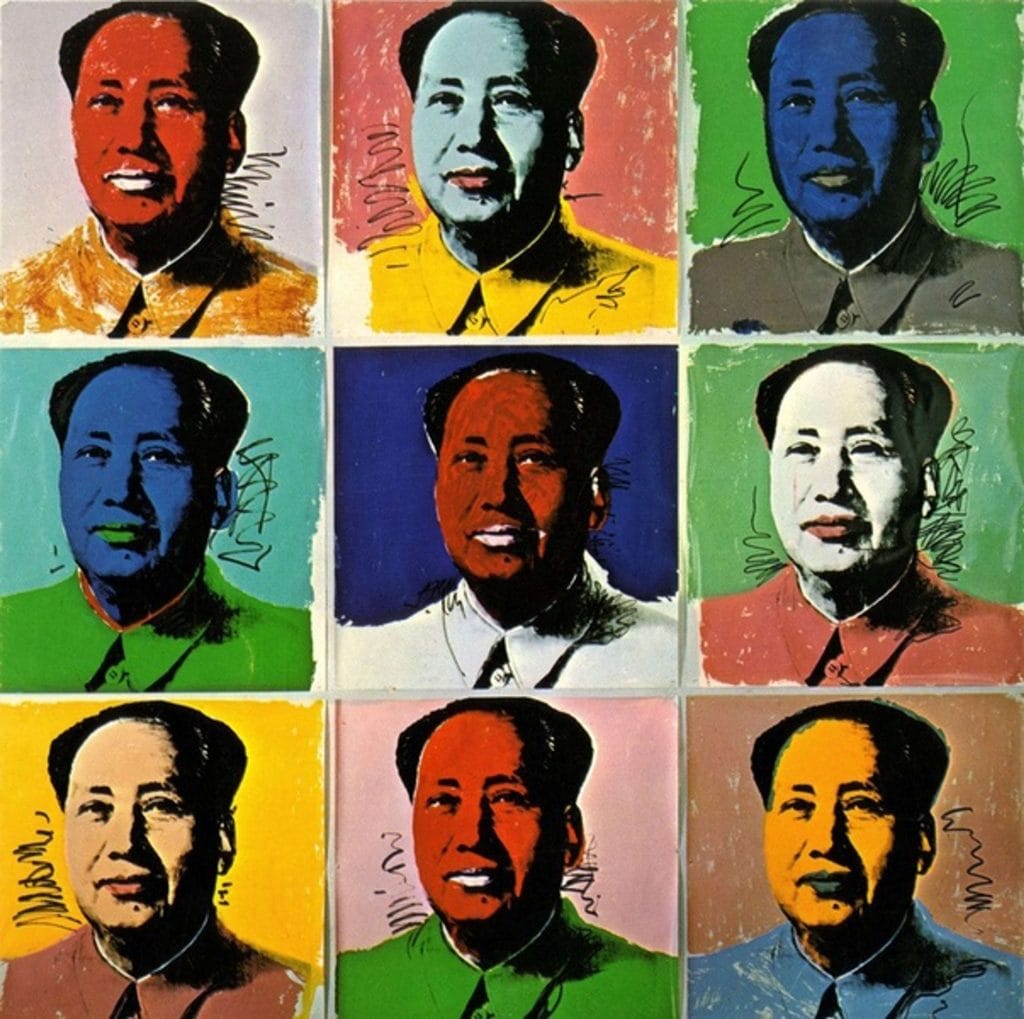
Warhol revolutionized the artistic application of screen printing by elevating it from a commercial process to fine art. His method was not just technical, but philosophical. By reproducing celebrity portraits, everyday products, and news images en masse, he questioned:
- The uniqueness of art
- The role of the artist
- The aesthetics of imperfection and repetition
Signature Series:
- Marilyn Monroe: Repeated in vivid colors, emphasizing her status as an icon and a commodity.
- Campbell’s Soup Cans: Treating supermarket items as subjects worthy of gallery walls.
- Electric Chair and Disaster series: Using repetition to both numb and amplify tragedy.
His use of vibrant inks, slight misregistrations, and flat planes of color created a visual language that felt mass-produced yet unmistakably personal.
“I find everybody fascinating. I find everybody glamorous. Everybody’s a star.”
Disclaimer
Some of the images featured on this page are sourced from publicly available materials on the internet and are used for educational and cultural commentary purposes only. All rights to these images remain with their respective copyright holders. If you are the rightful owner of any of the images and believe their use here infringes on your rights, please contact us, and the content will be promptly removed or credited accordingly.